NRF-Funded Research Opens New Possibilities for Learners with Disabilities Through Assistive Technology
For learners with physical disabilities, accessing digital education can involve barriers that go beyond the availability of computers. Devices designed for conventional use may remain inaccessible to learners who cannot operate a keyboard or mouse using their hands.
This was among the challenges that inspired the Competence Network for E-Inclusion and Assistive Technologies (CNEAT), an initiative supported by the National Research Fund (NRF) to promote digital inclusion through locally adaptable assistive technologies.
Implemented under the leadership of Professor Guyo Sarr Huka of Meru University of Science and Technology, the project received KSh 15.9 million in NRF funding. It brought together researchers from Meru University, Murang’a University of Technology and Kenya Methodist University to develop technology solutions that would enable learners with disabilities to access digital learning.
The need for the intervention became evident during engagements with special needs schools in Meru and Isiolo counties. Researchers found that some schools had computers supplied through the Digital Literacy Programme but were unable to put them to use because learners with physical disabilities could not operate conventional computer equipment. Teachers also lacked the necessary skills and tools to support their use.
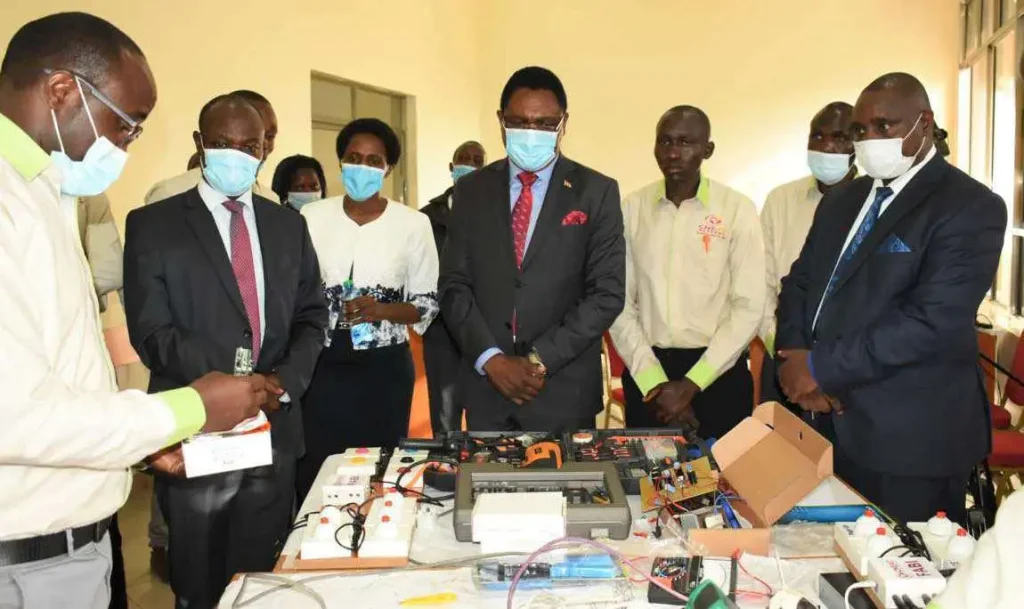
The CNEAT project responded by developing and introducing assistive technology solutions, including Camera Mouse and FlipMouse. These tools enable users to control computer functions through head movements, facial gestures and other forms of movement, reducing dependence on conventional keyboards and computer mice.
Beyond developing the technology, the project invested in building the capacity of those expected to use and support it. Meru University students were trained as trainers of trainers and subsequently supported teachers and learners in special needs schools. The initiative also established Assistive Technology Centres in Meru, Isiolo and Laikipia counties.
More than 100 educators, students and caregivers were trained in assistive technology and inclusive learning approaches. The project also supported the development of locally adaptable solutions that could function in low-bandwidth environments, making them more practical for resource-constrained learning settings.
The changes extended beyond access to computers. Teachers who previously struggled to integrate technology into lessons gained skills to support learners with different abilities. Learners who had limited opportunities to participate in digital learning began developing computer skills and exploring new ways of accessing educational content.
The initiative also influenced teaching and innovation at Meru University, where assistive technology has been incorporated into aspects of engineering and ICT training. This provides students with opportunities to consider accessibility and inclusive design when developing technological solutions.
The CNEAT experience demonstrates the value of research that responds to practical challenges within communities. Through NRF’s investment, the project brought together research, technology development and capacity building to address barriers to digital inclusion.
As the university continues to explore opportunities to expand the initiative, the project offers a foundation for further collaboration and the development of accessible technologies that respond to the needs of persons with disabilities.
By supporting research that addresses gaps in access and participation, NRF continues to contribute to the development of innovations that place people and their needs at the centre of technological advancement.