NRF-Funded Research Explores Community Markets as Access Points for Preventive Healthcare
A research initiative is examining how community markets could help bring cardiovascular disease prevention services closer to Kenyans, particularly in underserved communities.
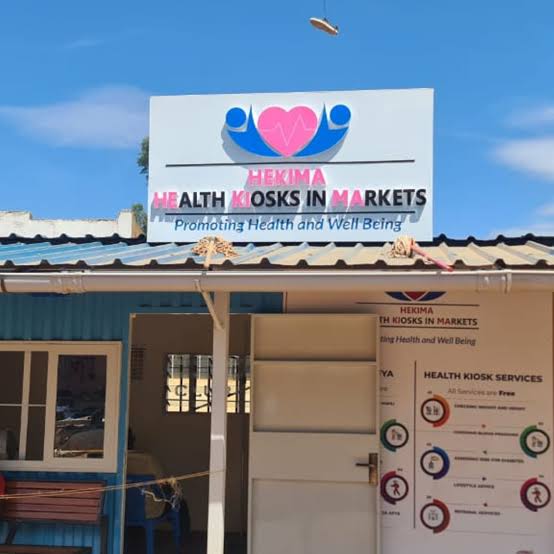
Community markets could play a greater role in promoting public health beyond their traditional function as spaces for trade. Through the Health Kiosks in Markets (HEKIMA) study, researchers are exploring how these familiar community spaces can be used to improve access to preventive healthcare services.
Funded by the National Research Fund (NRF), the study examines the feasibility of establishing health kiosks in markets, where community health workers, under the supervision of nurses, could provide health promotion and screening services for cardiovascular disease risk factors.
The research responds to the growing need for accessible approaches to preventing and controlling non-communicable diseases, including cardiovascular conditions. For communities where access to primary healthcare services may be limited, bringing preventive services closer to where people gather could offer an additional link between communities and the formal health system.
The formative phase of the study assessed the readiness of healthcare facilities and community markets in Vihiga County to work together in delivering these services. Researchers assessed 18 health facilities and 19 markets, with 10 facilities and 15 markets included in the evaluation.
The findings identified key considerations for establishing the proposed model, including the availability of equipment and supplies, referral systems, communication, staffing, partnerships and health promotion. While the assessment found that facilities and markets had basic infrastructure and governance structures, gaps in essential cardiovascular disease medicines and the absence of existing links between health facilities and markets were among the challenges identified.
Importantly, the study established that there was willingness among stakeholders to explore partnerships between health facilities and markets. The findings point to the potential of community-based health kiosks, while also highlighting the infrastructure, technical and resource requirements that would need to be addressed before implementation.
By examining how existing community structures can complement primary healthcare services, the HEKIMA study contributes evidence that can inform more accessible and locally responsive approaches to disease prevention.
Through its support for research such as HEKIMA, NRF continues to invest in knowledge that addresses public health challenges and informs solutions relevant to communities.