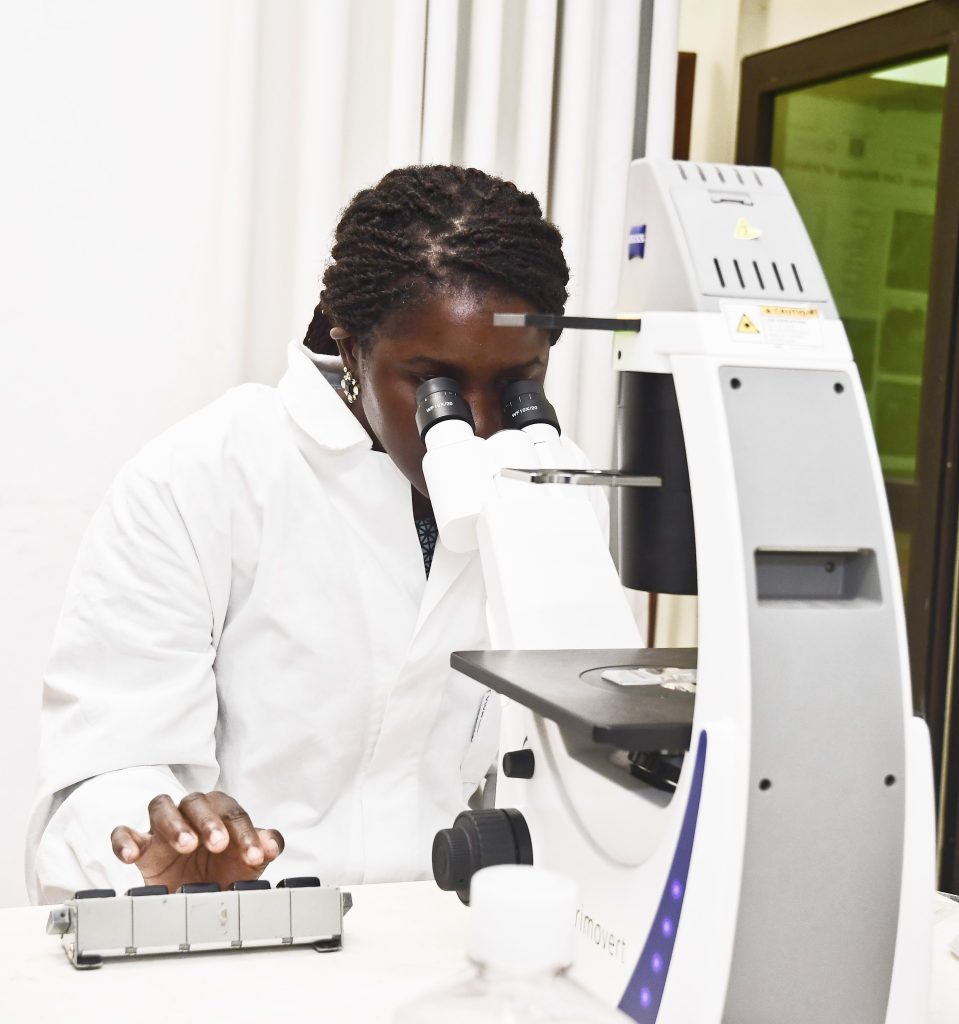
NRF Research Beneficiaries Secure £2.83M International Grant to Combat Environmental AMR
Researchers from Masinde Muliro University of Science and Technology (MMUST) have secured a major international research grant worth £2,831,047.93 (approximately KSh 489.5 million) to address the growing threat of environmental antimicrobial resistance (AMR) in East and Southern Africa.
The award, provided by National Institute for Health and Care Research (NIHR), will support the multi-country project titled Africa AMR-STOP: Strategies for Tackling, Optimizing, and Preventing Environmental Antimicrobial Resistance in East and Southern Africa.
The project is jointly led by Prof. William Shivoga and Dr. Jian Zhou, alongside Prof. Francis Orata and Dr. Anthony Sifuna, working with an interdisciplinary UK–Africa consortium that includes Manchester Metropolitan University, University of Pretoria, Makerere University, Busitema University, Jaramogi Oginga Odinga Teaching and Referral Hospital, and Kisumu Water and Sanitation Company.
From NRF Support to Global Impact
Notably, Prof. Francis Orata previously benefited from funding by the National Research Fund (NRF) in August 2020 for a project on epidemiological surveillance of SARS-CoV-2 in Kenya.
This early NRF investment strengthened his research portfolio and capacity in public health and molecular sciences, expertise that now directly feeds into the Africa AMR-STOP initiative.
In addition, the AMR-STOP concept was further incubated locally in 2023 through MMUST seed funding, enabling preliminary studies that helped unlock this large-scale NIHR award. Together, these investments demonstrate how national research financing catalyzes international partnerships and major global funding wins.
Project Scope and Impact
The project running from February 2026 to December 2030, Africa AMR-STOP will deliver six integrated work packages:
- Surveillance of antibiotic residues and antimicrobial resistance genes
- Nature-based innovations (eco-hydro wetlands)
- Community engagement and co-design
- Regional AMR data and information exchange platforms
- Capacity building (2 postdoctoral fellows, 6 PhD students, and health professionals)
- Economic evaluation of AMR interventions
The project will also establish a fully equipped molecular microbiology laboratory at MMUST to support AMR surveillance across Kenya, Uganda, and South Africa, with a special focus on the Lake Victoria Basin.
Adopting a One Health approach, the initiative links human, animal, and environmental health while working directly with communities to co-design solutions for clean water access and reduced infectious disease burden.
NRF Impact Spotlight
This milestone underscores the value of NRF-supported researchers in advancing Kenya’s research ecosystem, building world-class infrastructure, and attracting competitive international funding. The Africa AMR-STOP award stands among the largest secured by MMUST in recent years and affirms the growing global confidence in African-led science.
Congratulations to Prof. Shivoga, Prof. Orata, Dr. Sifuna, and the entire consortium on this outstanding achievement.