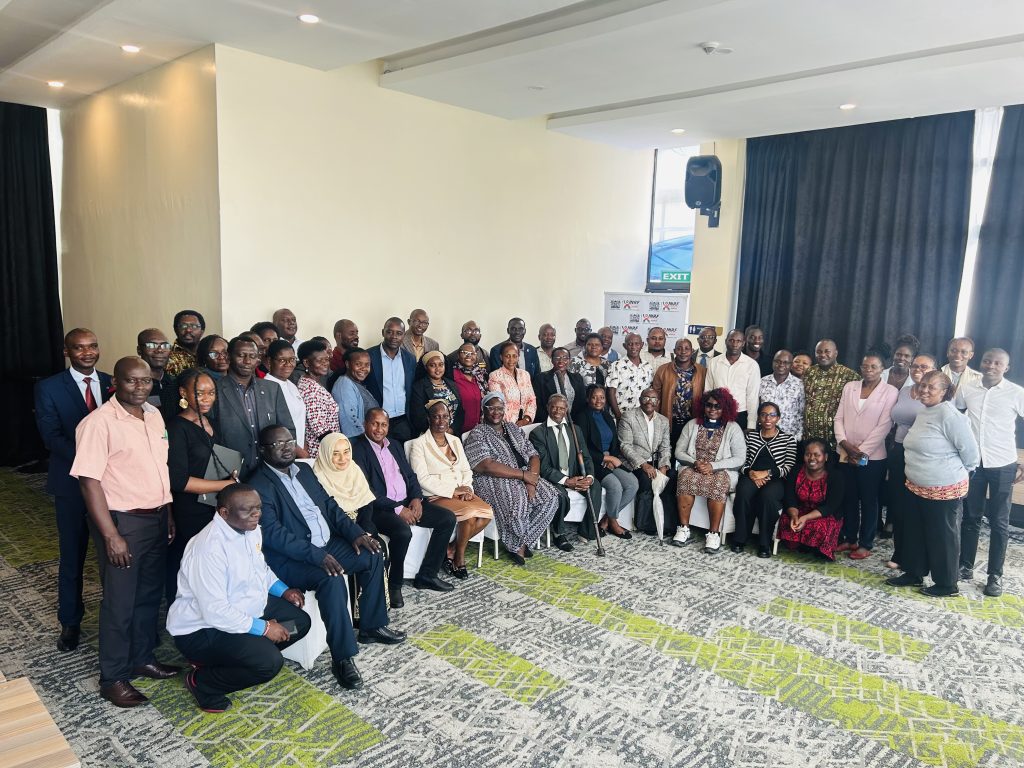
NRF Convenes National Workshop on Gender Equality, Inclusion and Intersectionality (GEII) in Research
The National Research Fund (NRF) convened a national stakeholder workshop on Gender Equality, Inclusion, and Intersectionality (GEII) in the research ecosystem on 26 February 2026 in Nairobi. Supported by the African Centre for Technology Studies (ACTS) through the Science Granting Councils Initiative (SGCI) Convening Fund, the workshop brought together representatives from universities, TVET institutions, research organizations, government agencies, and development partners to explore ways to make research systems more inclusive and responsive to societal needs.
NRF engaged the Kenya Female Advisory Organization (KEFEADO) to guide discussions, drawing on the organization’s expertise in gender-responsive programming and inclusive governance. The workshop facilitated structured conversations on practical approaches to integrating GEII principles into research policies, funding, and institutional practices.
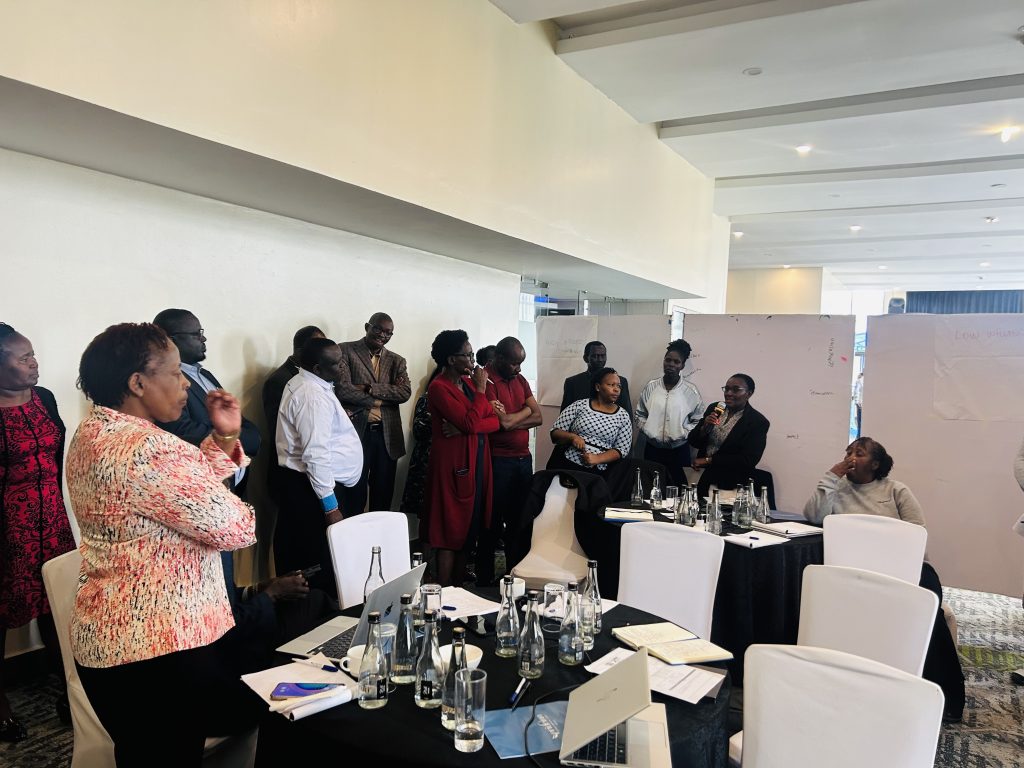
Participants highlighted that research drives innovation and informs policymaking, but the ecosystem can reflect broader inequalities. Barriers such as unequal access to funding, underrepresentation of women and marginalized groups in leadership, and institutional environments that do not accommodate caregiving responsibilities continue to limit equitable participation.
Inclusion of persons with disabilities emerged as a key focus. Discussions centered on improving accessibility in grant applications, providing reasonable accommodations during research, and expanding opportunities for leadership and decision-making roles. Applying an intersectional lens—considering gender, disability, socio-economic status, age, and geographic location—was emphasized as essential for research that truly reflects diverse experiences and informs responsive policy.
Institutions shared examples of ongoing initiatives to foster inclusive research. Representatives from Machakos University, Meru University of Science and Technology, Kisii University, and Meru National Polytechnic highlighted practical measures such as lactation centres and daycare facilities to support caregivers. Strengthening gender-disaggregated data was also noted, with frameworks like the Gender Sector Statistics Plan aligning with the Kenya Strategy for the Development of Statistics.
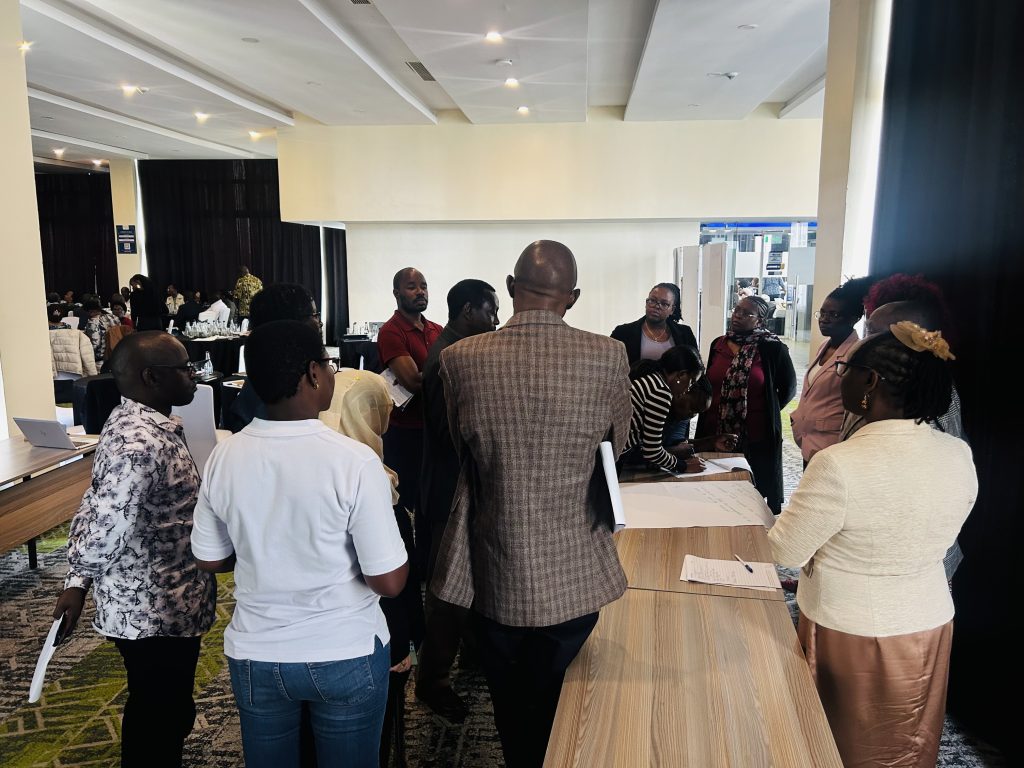
Participants underscored the importance of making research benefits accessible to communities, including sharing findings locally and translating technical outputs into user-friendly formats.
For NRF, promoting GEII is central to ensuring research funding opportunities are accessible to diverse researchers and that knowledge generated reflects the needs and experiences of all segments of society. Through this engagement, NRF reaffirmed its commitment to advancing an inclusive and equitable research ecosystem that supports Kenya’s development priorities.